People

For more information contact:
Kaylene Larking
Introduction
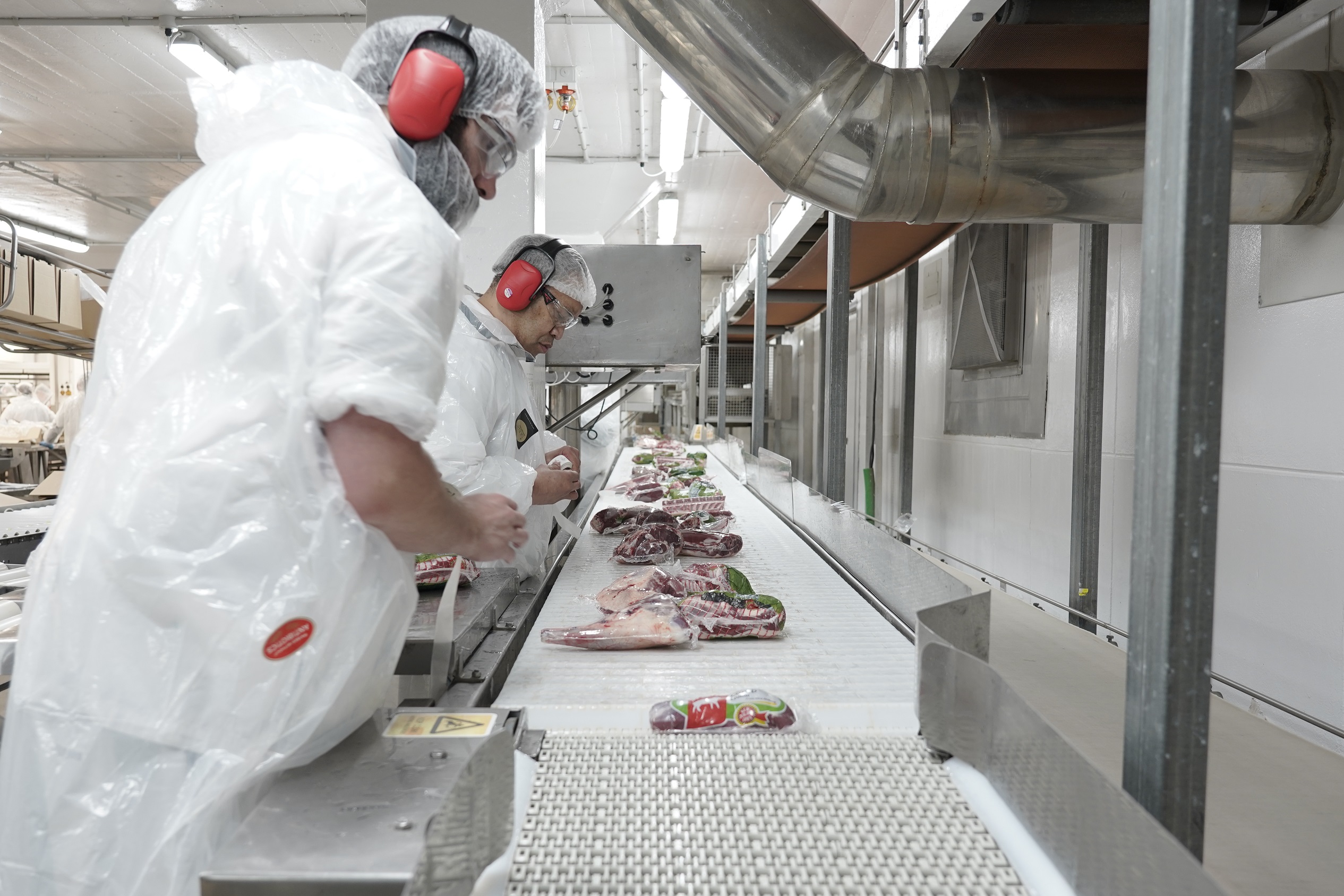
Meat processing is one the biggest employers of New Zealanders, with about 24,000 New Zealanders employed by meat processors.
Having a skilled workforce is extremely important to the sector. Our scholarship programme, and career information programmes are helping to attract talent to the sector. The sector offers various opportunities in a range of areas including marketing, food science, HR, manufacturing and technology.
MIA advocates for more flexible access to training, and for employment legislation that better meets the unique needs of the meat industry.
Our key priorities
Individual business have done a lot to address workforce shortages and address the challenges that stem from these constraints, in partnership we can do better together.
MIA in partnership with members has been coordinating a sector wide Workforce Development Plan and programme of work. The Plan is available here.
Workforce development priorities are:
- Ensure the sector understands and can articulate their workforce needs today and into the future
- Target relevant channels to promote employment opportunities in the Meat Processing sector
- Advocate for flexible access to Education and Training, so that people have the right skills, knowledge and capabilities to be successful throughout their career
Scholars
The New Zealand meat industry needs highly skilled young people who can become the future leaders in one of New Zealand’s largest industries. The MIA Scholarship scheme provides a pathway for undergraduate and graduate students into a career in the New Zealand meat industry.
The 2027 MIA Scholarship’s round is now open.
View the factsheet for more information and if you wish to apply, please fill in the online application form.
Scholars in the programme receive financial support ($5000p.a. undergrad, $10,000p.a. postgrad) and be provided with a mentoring programme during their tenure. At the completion of their programme scholars will have a pathway towards a career in the meat processing industry.
Explore more
The sector’s labour & workforce story
There is a vast array of jobs available, ranging from processing, engineering, trades, sales and marketing or human resources, to distribution, animal welfare and many scientific and environmental roles.
New Zealand’s largest manufacturing industry
employing
25,541 people
in 55 processing plants, across 361 businesses.
1⁄4 of the workforce, or approximately
4,500 people are undergoing NZQA- accredited courses
on-site with 80 per cent completion rate.
Employment by gender:
Males 53.1%
Female 46.9%
The average ago of a meat processing worker is 40.5 years
average age of Meat Processing worker but this is younger then the average
42.4 years
age of all workers in NZ
Latest labour & workforce news
-
Research shows New Zealand’s red meat sector drives nearly $50 billion in annual spending across the economy
New research shows New Zealand’s red meat sector generates $48.7 billion in spending across the economy each year and supports one in every 20 jobs. The sector generates $12.8 billion in export earnings annually, which flows through our economy and has a powerful multiplier effect that sees $133 million a day being spent across New…
-
Red meat leaders of the future wanted
The Meat Industry Association (MIA) is inviting applications for its scholarship programme from students interested in a career in the red meat processing and exporting sector. MIA chief executive Sirma Karapeeva said the programme was aimed at students interested in employment opportunities in the industry beyond the farm gate. “There are a vast number of…
-
Future red meat leaders of the future wanted
Applications have opened for the Meat Industry Association (MIA) 2024 scholarship programme, aimed at tertiary students who are looking to a career in the red meat sector beyond the farm gate. Up to four new scholarships, a mixture of undergraduate and postgraduate positions, are available. Undergraduate scholarships are worth $5,000 a year for each year…
Barriers to International Trade
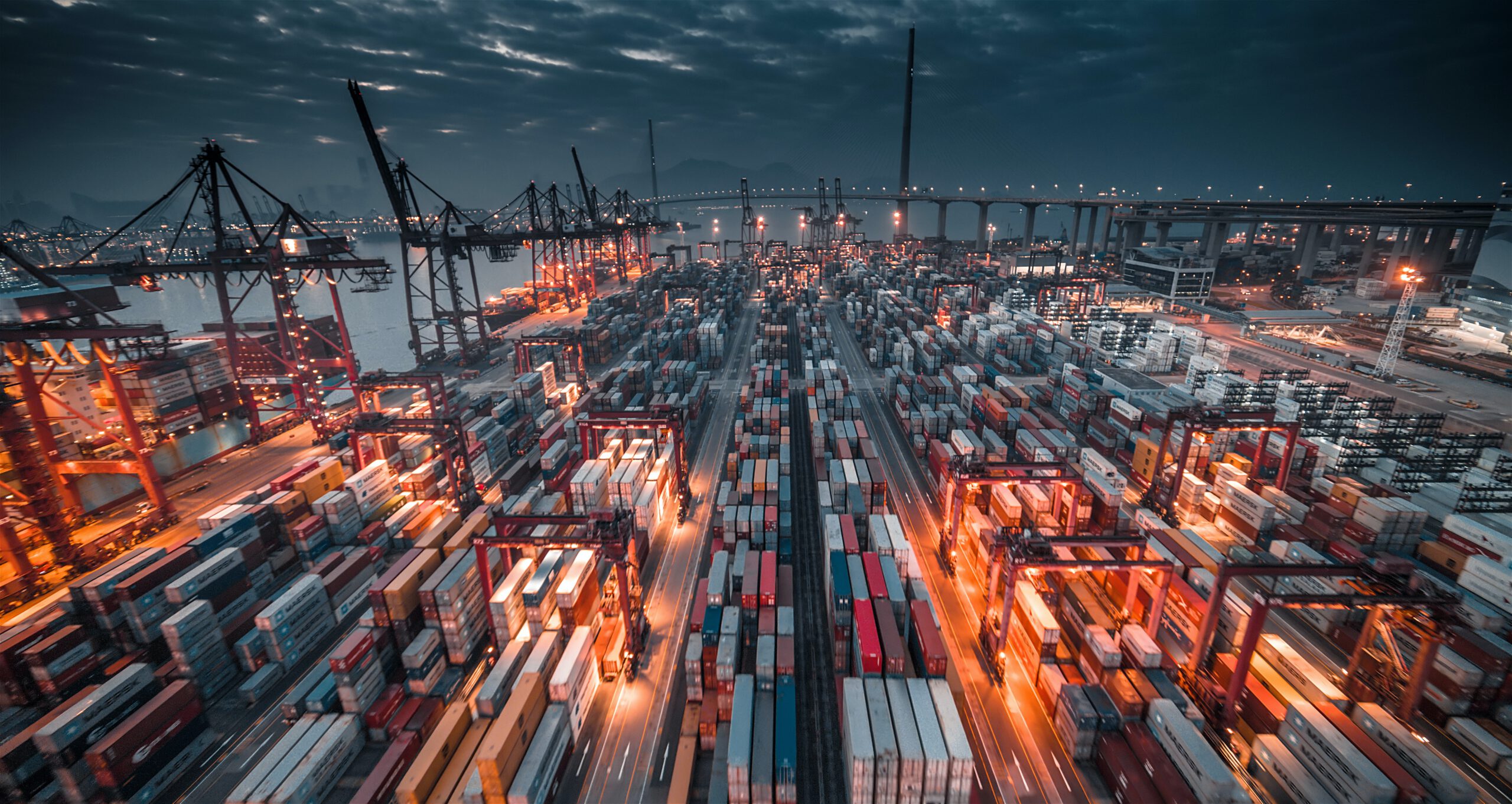
Gain an in-depth understanding of the complex and evolving trade and tariff environment that New Zealand’s red meat processors and marketers operate in when exporting to over 110 countries.